Free IPTV and VPN in 2026: Myth or Real Solution?
- May 10, 2026 01:11 pm
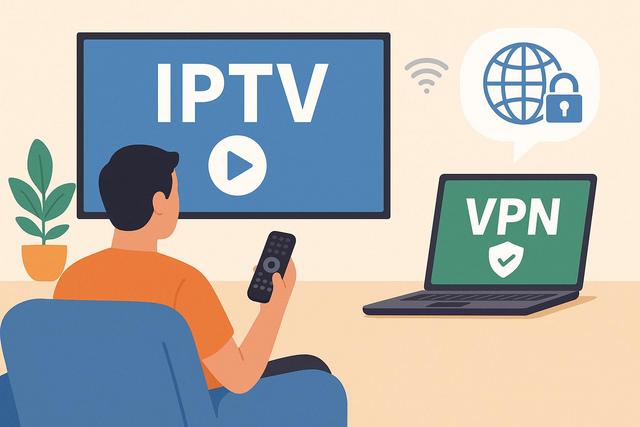
IPTV and Free VPN: A Growing Interest in 2026
IPTV and free VPNs represent an intriguing possibility for many users in 2026. Countless individuals aspire to stream channels without restrictions or additional costs. However, the critical question remains: does a free VPN truly provide a reliable and secure solution for IPTV?
Analyzing the Pros and Cons
This article will explore the advantages, limitations, and risks associated with using a free VPN for IPTV to help you make an informed decision. For those interested in downloading the latest version of Google Chrome, you can find it here.
IPTV and Free VPN: Why This Duo Attracts in 2026?
The IPTV market continues to grow in 2026, as users seek more flexibility. IPTV allows viewers to watch TV channels and on-demand content via the Internet. Many services offer rich and varied catalogs, often at competitive prices.
However, some content remains subject to geographical restrictions. Users are therefore turning to a VPN to bypass these blocks. A VPN, or virtual private network, masks the IP address and encrypts the connection. In this way, it protects personal data and changes virtual location.
Many choose a free VPN to avoid extra costs. Yet, this solution raises many questions. Can a free VPN truly guarantee a smooth and secure IPTV experience?
How Does a VPN Work with IPTV?
A VPN redirects Internet traffic through a remote server. It then assigns a new IP address to the user. Thanks to this mechanism, users can access content that is blocked in their region.
In the context of IPTV, the VPN acts on two levels. First, it protects privacy by encrypting data. Then, it helps to avoid certain limitations imposed by Internet service providers.
However, performance remains a key factor. IPTV requires stable and fast bandwidth. If the VPN slows down the connection, the image may freeze or lose quality.
The Benefits of a Free VPN for IPTV
A free VPN has some advantages, which are especially appealing to new users.
- No paid subscription is required.
- It installs quickly on most devices.
- It allows users to test the VPN concept without commitment.
Moreover, some free VPNs offer reasonable encryption. They can thus enhance basic privacy. For occasional use, this solution might seem sufficient.
However, these benefits often remain limited. Behind the free service lie significant compromises.
Major Limitations of Free VPNs in 2026
Free VPNs often impose strict restrictions. They limit monthly data usage or reduce connection speeds. However, IPTV consumes a lot of data, especially in high definition.
Additionally, these services provide few servers. Consequently, the available servers quickly become overloaded. This saturation leads to interruptions and a decrease in video quality.
Security is also a concern. Some free VPNs finance their model by collecting user data. They might display intrusive ads or sell information to third parties.
Finally, few free VPNs offer efficient customer support. If a problem arises, the user often has to manage alone.
IPTV and Free VPN: What Legal Risks Are There?
The legal question remains central in 2026. Using a VPN is not illegal in most countries. However, accessing illegal IPTV services exposes users to penalties.
A free VPN does not make an activity legal. It merely masks part of the connection. Authorities and copyright holders now have sophisticated tools to combat piracy.
Therefore, using a VPN to access an unauthorized IPTV service carries risks. Users should verify the legality of the platforms they use. Technical protection does not replace compliance with the law.
Streaming Quality: Free VPN or Paid?
The quality of IPTV streaming heavily relies on speed and stability. A paid VPN typically invests in efficient infrastructure and offers servers optimized for streaming.
In contrast, a free VPN shares its resources among a large number of users. This overload slows down the connection, especially during peak hours.
Here is a simple comparison table:
| Criterion | Free VPN | Paid VPN |
|---|---|---|
| Connection Speed | Often limited | Fast and stable |
| Number of Servers | Restricted | Wide global choice |
| Data Limit | Yes, frequent | Rare or nonexistent |
| Customer Support | Limited | Available 24/7 |
| Data Protection | Variable | Strict no-log policy |
This comparison shows a clear difference. If you watch IPTV daily, a paid VPN generally offers a better experience.
Security and Protection of Personal Data
Cybersecurity occupies a significant place in 2026. Cyberattacks are increasing as hackers exploit vulnerabilities in public networks. A good VPN protects against these threats through robust encryption.
However, not all free VPNs offer the same level of protection. Some use outdated protocols. Others keep connection logs.
This means that users might believe they have total protection while their data remains vulnerable. Before installing a free VPN, it is crucial to read the privacy policy carefully.
IPTV Performance Against ISP Throttling
Some Internet service providers limit speeds on video streams. They implement this throttling to manage their network. A VPN can circumvent this issue as it masks the nature of the traffic.
However, a free VPN does not always guarantee sufficient bandwidth. If it has slow servers, the issue persists. A high-performing VPN, on the other hand, can stabilize playback and reduce buffering.
Thus, the choice of VPN directly influences IPTV quality.
Can You Really Count on a Free VPN in 2026?
The answer depends on your expectations. If you use IPTV occasionally and legally, a free VPN may suffice temporarily. It allows you to test the technology without initial costs.
In contrast, if you are looking for a stable, secure, and high-performing solution, a free VPN quickly shows its limitations. The technical restrictions hinder the user experience.
Additionally, privacy remains uncertain with certain opaque providers. In 2026, Internet users place greater importance on data protection, thus favoring recognized and reliable services.
Tips for Choosing the Best IPTV Solution
To optimize your IPTV experience, you can follow these recommendations:
- Always verify the legality of the IPTV service used.
- Compare the performance and reviews of VPNs.
- Prefer a strict no-logs policy.
- Test the speed before watching HD or 4K content.
If your budget is limited, you can opt for a paid VPN with a money-back guarantee. This option offers an interesting compromise, as it combines performance and security.
Myth or Real Solution: Final Verdict
A free VPN for IPTV in 2026 represents more of a compromise than a miracle solution. It can work in the short term, especially for light use. However, it quickly reveals its weaknesses in terms of speed, stability, and security.
The promise of unlimited and secure access at no cost is partly a myth. In practice, only a reliable and transparent solution can ensure a smooth and protected IPTV experience.
Thus, each user must assess their needs, budget, and priorities. Because the choice of a VPN directly influences the quality of IPTV streaming and the protection of personal data.
In 2026, the trend confirms one thing: digital security should not be neglected. A VPN remains a relevant tool, but not all are equal. Before choosing a free VPN for IPTV, carefully weigh the advantages and disadvantages.


