How to Create the Perfect Playlist for Intense Gaming Sessions
- Feb 12, 2026 01:11 pm
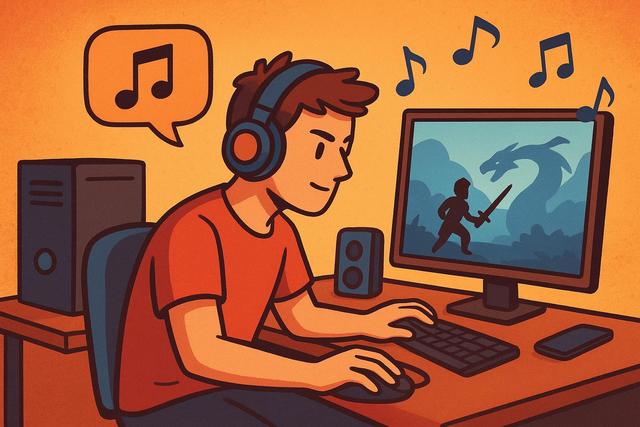
Creating the perfect playlist for gaming sessions instantly transforms the gaming experience. Music influences focus, energy, and even performance. Whether you are competing or playing for fun, a good gaming playlist helps you stay immersed for longer. However, many gamers play tracks at random without considering their impact. A well-thought-out music selection boosts motivation and improves stress management. In this article, discover how to create a gaming playlist tailored to your play style, goals, and ideal mood.
For those looking to download the latest version of Spotify, click here.
Why Music Improves Your Gaming Performance
Music directly affects the brain as it stimulates areas related to emotions and motivation. When you start a competitive game, your heart rate increases. An appropriate playlist accompanies this rhythm and enhances your focus.
Dynamic music encourages action, while more ambient sounds support strategic thinking. Thus, you can tailor your playlist according to the type of video game. Many professional gamers use specific playlists as they create positive mental conditioning.
Music also reduces external distractions by creating an immersive sound bubble. This limits background noise and improves your focus. However, a poor musical choice can hinder your attention, especially if the lyrics capture too much of your mind.
Identify Your Gaming Style to Choose the Right Vibe
Before creating a gaming playlist, clearly define your gaming style. Each video game genre requires a different atmosphere.
Here are some concrete examples:
- Competitive FPS (Call of Duty, Valorant): rhythmic electronic music, trap, drum and bass.
- Strategy Games (Civilization, Starcraft): ambient, lo-fi, orchestral music.
- RPGs and Adventure Games: epic soundtracks, fantasy, cinematic music.
- Sports or Racing Games: motivating hip-hop, energetic electro, dynamic pop.
- Chill or Sandbox Gaming: lo-fi, chillhop, relaxing instrumental music.
By tailoring the playlist to your game, you enhance the coherence between the action on screen and your mental state. As a result, you optimize your immersion.
Choosing Between Lyrical or Instrumental Music
Many gamers ponder this question, as lyrics can be distracting. Generally, prioritize instrumental music for competitive sessions. This reduces cognitive load and improves accuracy.
However, some people concentrate better with familiar songs. In this case, create two distinct playlists. Use an instrumental playlist for ranked matches and keep the other for relaxation sessions.
Lo-fi music is very popular in the gaming world because it combines softness and moderate rhythm. It supports attention without overshadowing the game.
Adjusting the Tempo to the Intensity of the Session
The tempo plays a major role in performance. The more the game demands quick reactions, the higher the musical tempo can be. However, avoid overly fast tracks if you're feeling stressed.
Here's a simple table to guide you:
| Session Type | Recommended Tempo | Example Styles |
|---|---|---|
| Chill Session | 60-90 BPM | Lo-fi, ambient |
| Strategic Play | 80-110 BPM | Instrumental, orchestral |
| Intense Competitive | 120-150 BPM | Electro, drum and bass |
| Esports Gaming | 130-160 BPM | Trap, hard electro |
If you adjust the BPM to your goals, you manage your energy better. This way, you avoid mental fatigue during long sessions.
Intelligently Structuring Your Gaming Playlist
An effective playlist should not be random. Think of it as a progressive journey. Start with motivating tracks to get into your session. Next, maintain a stable intensity. Finish with calmer pieces if you're playing for a long time.
You can organize your playlist into three phases:
- Warm-up Phase: dynamic music to stimulate attention.
- Performance Phase: consistent tracks to maintain the level.
- Recovery Phase: softer sounds to avoid mental saturation.
This structure helps your brain stay efficient longer, as you respect your attention span.
Intelligently Using Streaming Platforms
Platforms like Spotify, Deezer, or YouTube Music offer ready-to-use gaming playlists. However, create your own selection for greater efficiency.
Utilize automatic recommendations, as they help you discover new artists suited to your style. Also, activate the crossfade mode to avoid abrupt transitions. A smooth transition enhances the auditory immersion.
If you stream on Twitch or YouTube, pay attention to copyright issues. Prefer royalty-free music or libraries tailored for creators.
Avoiding Common Mistakes
Many players make simple mistakes that harm their experience. Avoid, for example:
- A playlist that is too short and loops.
- Significant volume variations between tracks.
- Songs associated with negative emotions.
- Music louder than the sounds of the game.
Properly adjust the mix between game sounds and music, as poor balance reduces the perception of strategic sounds like footsteps or audio cues.
Regularly Testing and Adjusting Your Playlist
A gaming playlist evolves with your tastes and habits. Test different styles for a week. Then analyze your feelings. You can even note your concentration levels or performances.
If you notice a drop in accuracy, adjust the tempo or remove overly stimulating tracks. Make gradual adjustments, as small changes often yield better results.
Personalization remains key, as each player reacts differently to sound stimuli.
The Psychological Impact of a Good Gaming Playlist
Music acts as a mental trigger. If you always listen to the same playlist before a competition, your brain associates those tracks with performance. This creates an effective ritual.
This ritual boosts confidence and reduces stress. Many professional players use this principle as it enhances mental preparation. Musical consistency then becomes a strategic tool.
Moreover, a good playlist stimulates dopamine, so you feel more pleasure during the session. This positive sensation strengthens long-term motivation.
Should You Sync Music with the Game?
Some games already have an immersive soundtrack. In this case, evaluate if it is sufficient. Narrative or cinematic games often include music designed for optimal immersion.
However, for repetitive competitive games, an external playlist brings freshness. This renews your motivation. Test both options, as the balance depends on the type of experience desired.
Creating Multiple Playlists Based on Your Goals
Do not limit your strategy to a single gaming playlist. Create different sound universes based on your needs:
- "Total Focus" Playlist
- "Try Hard Competitive" Playlist
- "Relax and Farm" Playlist
- "Co-op Session with Friends" Playlist
This segmentation facilitates your mental preparation as you can choose your vibe with one click. You save time and enhance coherence.
The Importance of Audio Equipment
Even the best playlist loses effectiveness with poor headphones. Invest in a comfortable and well-isolated gaming headset. Good sound reproduction improves spatialization and overall quality.
If you play for long periods, prioritize ergonomic equipment. This helps prevent auditory fatigue. Also, lower the volume after several hours, as preserving your hearing is essential.
Conclusion: Your Playlist, Your Secret Weapon
Creating the perfect playlist for gaming sessions requires thought and experimentation. However, the effort is worth it as music directly influences your concentration and motivation. Adjust the style, tempo, and structure to fit your game. Regularly test and adjust based on your performance.
When you master your sound environment, you turn every session into an immersive and productive experience. Your gaming playlist then becomes a true secret weapon, capable of supporting your virtual feats and enhancing your enjoyment of the game.


