VLC 2025: New Virtual Reality Streaming Options
- Feb 23, 2025 09:22 am
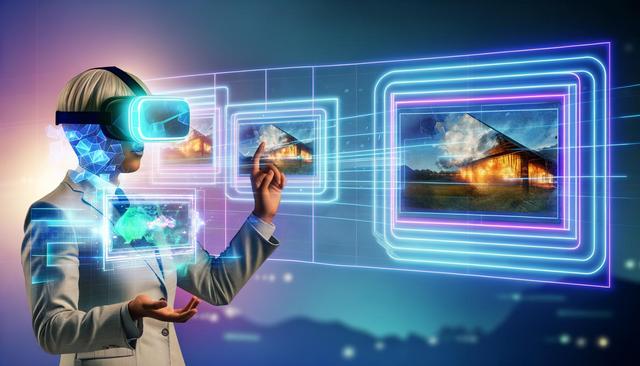
In today’s digital era, streaming has revolutionized how we consume multimedia content. VLC, a key player in the video player industry, promises to enhance its streaming options by integrating virtual reality (VR) by 2025. This advancement marks a bold step in the technological evolution of the platform. Let’s explore how VLC plans to transform the user experience with this immersive innovation.
For those interested in trying out VLC, you can download the latest version here.
The Evolution of VLC Towards Virtual Reality Streaming
VLC, known for its extensive compatibility and flawless performance, is set to venture into the realm of virtual reality to provide users with an even more captivating streaming experience. Envisioned for 2025, these new features include support for VR environments, allowing users to watch 360-degree videos while interacting with content in unprecedented ways.
Why VLC is Turning to Virtual Reality
Virtual reality is experiencing rapid growth, transforming sectors such as gaming, education, and media. VLC aims to capitalize on this potential by providing native support for VR videos, meeting the growing demand from consumers eager for new immersive visual experiences. Users will soon be able to watch movies, music videos, and other multimedia content as if they were an integral part of the universe around them.
Expected VR Streaming Features
VLC 2025 will offer several innovative features designed to enhance the user experience. These include:
- Extended Compatibility with VR Headsets: VLC will ensure compatibility with major VR headset models on the market, providing a smooth and seamless experience.
- Support for 360-Degree Videos: 360-degree videos will provide a panoramic view, allowing users to observe landscapes or follow events from different angles with exceptional image clarity.
- Gesture Navigation: Users will be able to interact with the VLC interface through gestures, making it easier to navigate the content catalog.
Impact on the Streaming Market
The integration of virtual reality by VLC could disrupt the streaming market by encouraging other platforms to follow suit with this immersive technology. Not only will users benefit from a more personal and engaging interaction with their favorite content, but it could also significantly increase opportunities for content creators and industry professionals.
Challenges and Prospects
While promising, the integration of VR into VLC comes with challenges. Major concerns include optimizing performance for different hardware and the need for content tailored to this new technology. However, strategic partnerships with VR headset manufacturers and content creators could alleviate these challenges and accelerate the adoption of these innovative solutions.
Conclusion
The VLC update in 2025 with VR streaming options represents a turning point in how digital content will be consumed in the future. This technological advancement promises not only to redefine the user experience on VLC but also to influence the entire streaming industry. As we move towards an era where the boundary between reality and virtual is blurred, VLC remains at the forefront of innovation, ready to offer consumers what they desire most: total immersion and enhanced interaction.
Download the latest available version


