WhatsApp Security: Encryption and Privacy Protection Explained
- Nov 09, 2024 09:51 am
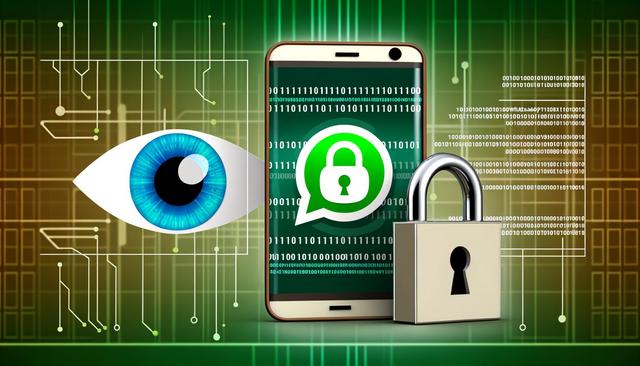
In an increasingly connected digital world, security and privacy protection have become major concerns for messaging app users. WhatsApp, a popular messaging application, assures its users through end-to-end encryption. In this article, we will explore in depth how WhatsApp utilizes this technology to ensure the confidentiality of communications.
For the latest version of WhatsApp, you can [download it here](https://en.telechargerfacile.fr/staticpages/index.php/whatsapp-free-download-latest-version).
What is end-to-end encryption?
End-to-end encryption is a data security process that ensures that only the participants in a communication can read the exchanged messages. Specifically, when a message is sent via WhatsApp, it is encrypted as soon as it leaves the sender's device and remains unreadable throughout the transfer, until it arrives at the recipient's device where it is decrypted again.
The importance of encryption on WhatsApp
WhatsApp implements end-to-end encryption by default for all types of communication: texts, voice calls, videos, and even media files. This means that no third party, not even WhatsApp, can access the content of the messages. This feature is essential for protecting user privacy against potential data breaches and cyber espionage.
Technical functioning of WhatsApp encryption
The security of WhatsApp is based on the Signal Protocol, an open-source technology recognized for its reliability in cryptography. At the heart of this protocol are the private and public keys used by powerful encryption algorithms. The private keys remain on the respective users' devices, preventing anyone from intercepting the messages exchanged between them.
Challenges associated with end-to-end encryption
Even though end-to-end encryption offers strong security, it is not without challenges. Notably, it complicates the surveillance efforts of governments and security agencies who claim they need access to private communications to prevent criminal acts. However, privacy advocates argue that weakening encryption would open the door to abuses by malicious actors.
Additional measures for enhanced security
In addition to encryption, WhatsApp offers other security measures to strengthen protection. Among them, two-step verification is crucial. It requires a PIN code to be entered during the verification of the phone number, adding an extra layer of protection against unauthorized access. Users are also advised to stay informed about emerging security threats, such as phishing and insecure third-party applications, which could compromise their security.
WhatsApp transparency and user trust
WhatsApp strives to maintain transparency and build trust among its users. They regularly publish transparency reports and have recently revised their privacy policy to clarify how data is used. However, controversies have arisen when policy changes were misunderstood, highlighting the importance of clear communication regarding privacy practices.
Conclusion
End-to-end encryption on WhatsApp remains a cornerstone of privacy protection in the messaging app ecosystem. While not infallible, it represents an essential compromise between user security and the legal requirements imposed by certain jurisdictions. Through continuous awareness and development efforts, WhatsApp continues to improve its services to better protect its users.


