Personal vs. Professional Use: What’s the Difference?
- Oct 03, 2026 01:11 am
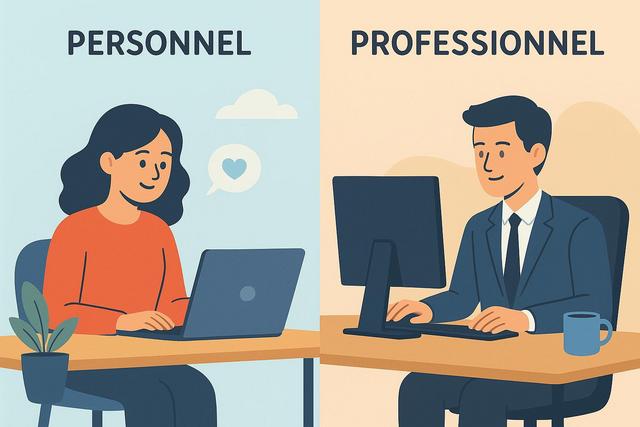
The difference between personal and professional use often affects contracts, insurance, purchases, or declarations. Clearly identifying the actual use prevents mistakes, unsuitable guarantees, and unexpected costs. Here’s how to distinguish between these two concepts and choose the right option based on your situation.
Understanding Personal Use
Personal use generally refers to using a product or service for non-commercial purposes. This includes leisure activities, household tasks, or any usage that does not involve a profit-making intention.
Understanding Professional Use
On the other hand, professional use implies that the product or service is utilized for business or commercial purposes. This can encompass activities conducted in an office, client interactions, or work-related tasks.
Making the Right Choice
Choosing between personal and professional use can have significant implications financially and legally. It's crucial to assess your specific needs to select the appropriate option and avoid complications down the line.
For those looking to download software that can cater to both personal and professional needs, you can check out the latest version of Microsoft Office here.
Understanding the Difference Between Personal and Professional Use
Personal use refers to activities related to private life. It concerns your individual, family, or household needs. You use an asset, service, or account without a direct revenue objective.
Professional use, on the other hand, serves to engage in economic activity. It may help in producing, selling, delivering, receiving clients, or managing a business. This use can involve an employee, a freelancer, an association, or a company.
The distinction seems simple. However, it varies according to the context. A car, phone, software, or premises can have mixed use. Therefore, one must observe the actual use, not just the status of the person purchasing.
For example, a computer bought by an individual remains a personal asset if it is used for leisure, tasks, and studies. It becomes a professional tool if its owner regularly uses it for their independent activity. Similarly, a personal vehicle may occasionally be used to commute to work. This does not always mean that its insurance needs to cover professional use. It all depends on the trips made and the contract conditions.
What is Personal Use?
Personal use meets a private need. It does not directly aim to generate revenue or execute a professional task. This concept includes daily household uses.
You can refer to personal use in various situations:
- buying a phone to call your loved ones, browse the internet, or take photos;
- using a car for shopping, vacations, and family outings;
- subscribing to internet service for your home;
- buying furniture to furnish your home;
- using a bank account to manage your personal expenses;
- installing software for leisure or personal organization.
Consumers often benefit from protective rules when acting personally. These rules may cover pre-purchase information, the right of withdrawal in certain cases, warranties, or dispute resolution. However, their application depends on the product, the seller, and the type of contract.
Personal use does not necessarily mean that no work is involved. An employee may check their professional emails on their personal computer. They generally maintain a personal use status if this usage remains incidental. However, the situation changes if the equipment becomes essential for regular paid activity.
What is Professional Use?
Professional use relates to work, trade, or service activities. It supports a profession or helps to operate an organization. It can generate revenue, reduce costs, or allow for fulfilling a professional obligation.
This use particularly concerns:
- businesses and companies;
- artisans and merchants;
- liberal professions;
- self-employed and micro-entrepreneurs;
- farmers;
- associations in the context of their activities;
- employees who use equipment provided or dedicated to their mission.
Professional use can exist even without direct sales. An office that uses accounting software, a craftsman who travels to clients, or an association renting a room for activities each have a professional need. The objective is not always immediate profit. It exists as long as the good or service concretely serves the activity.
This qualification can modify rates, insurance, warranties, responsibilities, and conditions of use. A supplier may offer a professional package with specific options. For example, a professional internet connection may include enhanced support, a fixed IP address, or security tools. It may also stipulate contractual terms different from those of a consumer offer.
Criteria for Distinguishing the Two Uses
To determine if a use is personal or professional, ask yourself several simple questions. They allow for a methodical analysis of the situation.
What is the Main Objective?
Ask yourself why you use the good or service. If it is primarily for your private life, the use is personal. If it is for work, invoicing clients, or fulfilling a task, the use is professional.
Intention matters, but it is not sufficient. Facts also hold significance. A person may purchase a device for their home and then use it daily to manage their activity. The actual use then partly becomes professional.
How Often Do You Use It for Work?
Infrequent and occasional use does not always produce the same effects as regular usage. Using one’s personal phone to respond once to a client does not equate to using it daily to take orders.
Regularity therefore helps assess the level of professional use. However, keep in mind that some contracts define their own criteria. They should be read before concluding or modifying a contract.
Does the Good or Service Generate Revenue?
A direct link to revenue is an important indicator. A photographer using their camera for paid services constitutes professional use. A person taking photos during their travels constitutes personal use.
However, a tool can be professional without generating revenue on its own. A vehicle used to transport equipment, a computer dedicated to administration, or a service phone also fall into this category.
Who Uses the Good or Service?
The user can provide a helpful clue. A purchase made by a company often has a professional purpose. Conversely, this is not automatic. A company may give a gift to an employee or purchase an asset without a direct link to its activity.
On the other hand, an individual may develop a self-employed activity from home. Their personal status does not automatically transform their purchases into private expenses. It is essential to look at the actual use and the available evidence.
Why This Difference is Important
Identifying the correct use allows for selecting a suitable offer. It also limits disagreements with an insurer, supplier, or administration. An inaccurate declaration can result in insufficient coverage or denial of compensation, depending on the applicable rules.
Insurance: Declaring Actual Use
Insurance is one of the most sensitive areas. Contracts often distinguish between private and professional uses. This difference is common for vehicles, premises, equipment, and civil liability.
Take the case of a car. The trips between home and work do not necessarily correspond to professional use in terms of insurance. However, trips to clients, deliveries, or transportation of goods may require specific coverage.
Never assume that your contract covers all situations. Reread your guarantees, exclusions, and definitions. In case of doubt, contact your insurer before using the asset in a professional context. Request a written response or an endorsement if necessary.
Taxation and Accounting: Separating Expenses
The distinction between personal and professional use also plays a role in taxation. An expense related to an activity may sometimes be considered in accounting, subject to applicable rules. A purely private expense should not be presented as a business expense.
When the use is mixed, the expense must be allocated coherently. Keep invoices, statements, and any elements that show the professional use. Distribution must reflect reality. It should not be chosen at random to reduce an amount to be paid.
Tax rules evolve and depend on status, country, and nature of the expense. Thus, verify the up-to-date information with the relevant authority or a financial professional.
Contracts and Licenses: Reading Terms of Use
Many software, digital content, and subscriptions distinguish between a personal license and a professional license. A personal license may prohibit commercial use, use by a team, or access to certain services.
This also applies to images, fonts, music, graphic templates, and online tools. A free resource for a private project is not necessarily usable for an advertisement, an e-commerce site, or a client service.
Before using content in your activity, check the granted rights. Pay particular attention to clauses regarding commercial use, number of users, redistribution, and license duration. This precaution prevents a violation of contractual terms.
Data Protection and Cybersecurity
Professional use often involves data from clients, employees, or suppliers. This information requires enhanced protection. A shared family computer, for example, may not always provide a suitable environment for processing sensitive professional data.
Separate personal and professional accounts as much as possible. Use strong passwords, enable two-factor authentication, and back up your important files. If you work from home, create distinct spaces for your documents and your access.
How to Manage Mixed Use?
Mixed use is very common. You might use the same phone for your private calls and client appointments. You can also work on a personal computer or use a room in your home as an office.
The most important thing is to acknowledge this mixed use instead of ignoring it. Then, you must organize your situation clearly.
Here is a practical method:
- List the assets and services used for both your private life and your activity.
- Estimate professional use realistically, with verifiable elements.
- Keep contracts, invoices, and useful evidence.
- Check if your insurance allows this use.
- Separate accounts, files, and access when possible.
- Seek advice from an insurer, accountant, or legal advisor if the stakes are high.
A complete separation remains the simplest solution. A professional phone, a dedicated line, or a separate bank account simplifies management. This organization also reduces the risk of errors in declarations and expenses.
However, it is not always necessary. A new freelancer may use certain personal tools. They must simply respect the contracts, protect the data, and document their professional use.
Concrete Examples by Type of Good
| Asset or Service | Personal Use | Professional Use |
|---|---|---|
| Car | Leisure, shopping, vacations | Client visits, deliveries, work trips |
| Phone | Private calls, social media | Client relations, order taking, on-call |
| Computer | Studies, leisure, tasks | Creation, accounting, business management |
| Internet | Browsing and streaming at home | Regular telework, online services, video conferences |
| Software | Private project or learning | Production for clients, business management |
| Premises | Housing or private storage | Welcoming clients, workshop, office, sales |
These examples give a general guideline. The terms of an insurer, supplier, or license remain prioritized for your specific contract. Verify them, as definitions may differ from one organization to another.
Errors to Avoid
The first mistake consists in declaring a personal use for convenience, while the professional activity is regular. This may lead to insufficient coverage or incorrect usage rights.
The second mistake is the opposite. Some individuals choose a professional offer while their needs remain solely private. They may pay for unnecessary options. Therefore, compare the included services before subscribing.
The third mistake involves mixing expenses without keeping receipts. This habit complicates accounting and makes any explanation difficult. Organize your documents right from the purchase, even if your activity is small.
Finally, do not rely solely on the commercial name of an offer. A package labeled "pro" may have limitations. A "personal" package may also allow for certain work uses. Only the contractual conditions clarify this.
FAQ About Personal and Professional Use
Can I Use a Personal Good for My Professional Activity?
Yes, in many cases. However, you must check the insurance, terms of use, and applicable accounting rules. If the use becomes regular, a dedicated solution may be safer.
Is a Home-to-Work Commute Professional Use?
Not necessarily. This notion especially depends on your insurance contract and its definitions. Check the provisions for work-related trips and client visits.
Do I Need Two Phones If I'm Self-Employed?
It is not always mandatory. Two phones or lines ease the separation between private life and activity. This solution also improves organization and data protection.
Can a Personal License Be Used for a Commercial Project?
Not necessarily. Many personal licenses exclude commercial use. Review the license terms before using software, an image, music, or a template in professional activity.
Conclusion
The difference between personal and professional use depends primarily on the actual use of the asset or service. Private use meets your personal needs. Professional use supports your activity or income. In the case of mixed use, remain transparent, keep evidence, and review your contracts. This way, you will avoid unpleasant surprises and choose suitable coverage.


