
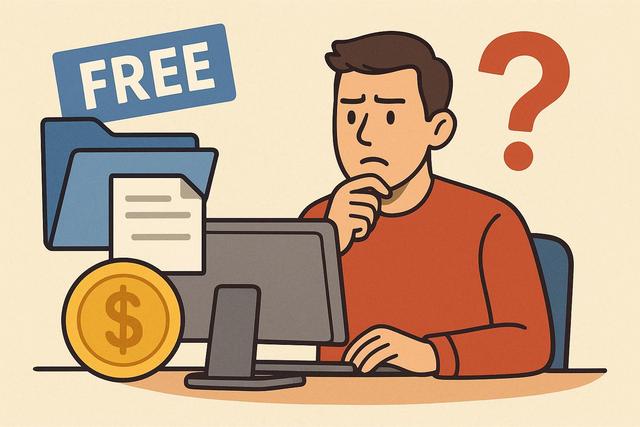
Many publishers promise free software, leading users to believe they are making a great deal. However, the concept of 'free' on the Internet often conceals indirect costs, paid options, or exploitation of personal data. So, is this software truly free or just a well-crafted marketing strategy? In this article, we analyze what 'free software' really means, the different business models behind it, and the pitfalls to avoid in order to make an informed choice.
To download the latest version, click here.
What Does "Free Software" Really Mean?
The term free software immediately grabs attention as it suggests usage without cost. However, this expression encompasses several realities. Software can be free to download but may require payment for advanced usage. Similarly, some publishers offer a limited version without charging, meaning the user must pay to unlock all features.
Generally, three main categories are distinguished: freeware, freemium, and open source. Each of these models is based on a different logic, explaining the variations in price and services.
Freeware: Free but Proprietary
Freeware refers to software that is completely free to use. The publisher often finances this model through advertising or other ancillary services. However, the source code remains proprietary, meaning users cannot modify it.
This model has clear advantages:
- Free download
- Unlimited use over time
- Quick installation
However, there are limits. The publisher may insert ads or collect certain data. In some cases, they can also discontinue support without notice, as they are not bound by any paid contract with users.
Freemium: Free... Up to a Certain Point
The freemium model currently dominates the market for applications and online software. The publisher offers a free version with basic features and then charges for advanced options. This strategy is attractive because it allows users to test the service without commitment.
However, the free version often comes with restrictions. For example, you may be limited in storage, the number of users, or advanced functionalities. Thus, the software appears free initially but becomes paid as your needs evolve.
Publishers use freemium to:
- Attract a large number of users
- Create dependency on the service
- Convert some users into paying subscribers
This model remains legal and transparent in most cases. However, you should read the terms of service carefully, as some options renew automatically.
Open Source Software: True Free?
Open source software offers freely accessible code. Developers can modify and redistribute this code, promoting innovation. In theory, this model guarantees true free software.
However, free does not mean without cost. You may sometimes need to pay for hosting, maintenance, or technical support. Companies that use open source software often engage experts to set it up properly.
Nonetheless, open source remains an attractive option. It ensures great transparency, as the community can verify the internal workings of the program.
The Hidden Costs of Free Software
A free software may conceal several forms of indirect costs. Therefore, you should analyze the offering beyond the posted price.
1. Intrusive Advertising
Some publishers fund their software through advertising. This practice can slow down the system or harm the user experience. In other cases, the paid version simply removes the ads.
2. Exploitation of Personal Data
Many free platforms collect data to exploit it for marketing purposes. This collection funds the service, meaning you indirectly pay with your personal information.
3. Limited Features
A free software may restrict essential functions. For example, you might be able to export files with a watermark or access a limited number of tools.
4. Nonexistent Customer Support
A free service rarely includes personalized assistance. If you encounter a technical problem, you often have to search for a solution by yourself.
Comparison of Main Free Software Models
Here is a simple table to better understand the differences:
| Model | True Free | Advertising | Support | Scalability |
|---|---|---|---|---|
| Freeware | Yes | Often | Limited | Low |
| Freemium | Partial | Sometimes | Basic | High |
| Open Source | Yes | Rare | Variable | Very High |
This comparison shows that the actual free status largely depends on the economic model chosen by the publisher.
Why Do Companies Offer Free Software?
Companies never work without a financial objective. If a software is free, it must be part of a precise strategy.
Firstly, free software attracts a broad audience since price often constitutes a barrier to purchase. Secondly, it helps build a loyal user base. Finally, it enhances brand awareness, as users willingly recommend a free tool.
Some companies focus on selling complementary services. Others prefer to monetize data or offer premium subscriptions. In any case, free software serves as a marketing lever.
How to Know if Software is Really Free?
You should verify several elements before downloading free software. This approach avoids unpleasant surprises.
Start by reading the terms of service. Then check the privacy policy to understand how your data will be used. Also, look at user reviews, as they often reveal hidden fees.
Ask yourself these questions:
- Does the software impose a subscription after a trial period?
- Are essential features included?
- Are my data sold to partners?
- Is customer support available in case of problems?
If you can clearly answer these questions, you can avoid most traps.
Free Software or Paid Software: Which One to Choose?
The choice depends on your actual needs. Free software is perfect for occasional use as it reduces costs. In contrast, a professional may prefer paid software to get reliable support and advanced functions.
Paid software often offers:
- Quick assistance
- Regular updates
- Better security
However, free software may suffice if your expectations remain simple. Therefore, you should compare features, security levels, and reliability before making a decision.
The Security of Free Software
Security is a critical factor, as some free software may contain malware. Always download your tools from the official website or a reputable platform.
Also, check the permissions requested during installation. If photo editing software asks for access to your contacts, be cautious. A serious publisher clearly explains the use of each permission.
Open source software often benefits from better transparency since the community analyzes the code. However, you still need to keep your system up to date.
Conclusion: Free Does Not Mean Without Compensation
Free software may indeed cost nothing in money. However, it often implies a trade-off in data, time, or limited functionalities. Therefore, you should analyze the economic model before making your choice.
The real question is not just "Is this software free?" but rather "What do I give in exchange?" If you understand this logic, you can use free software intelligently and strategically.
In summary, true free software does exist, but it almost always comes with an indirect funding model. Be attentive, compare offers, and choose the tool that truly meets your needs.


