Why Free Games Attract More Players
- Mar 17, 2026 02:11 am
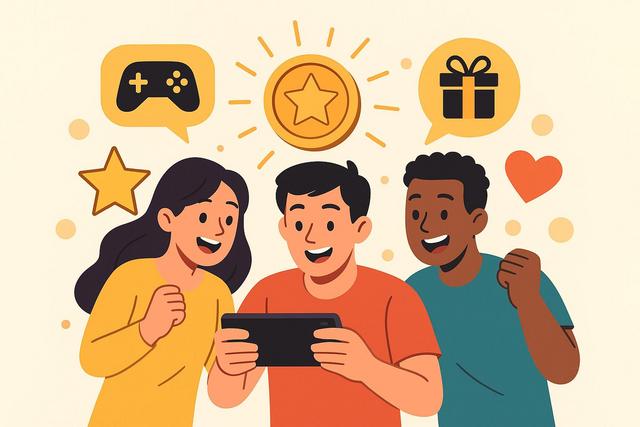
Free games are attracting millions of players worldwide today. On mobile, PC, or console, the free-to-play model significantly dominates the market. But why do free games attract more players than paid ones? Price plays a crucial role, as the absence of cost removes a significant barrier. However, other factors contribute to this massive success. Accessibility, marketing strategies, social dimensions, and microtransactions are all key components driving the rise of online free games. In this article, we will analyze in detail the reasons behind this enthusiasm and the psychological and economic mechanisms that favor free games.
To explore the latest version of Roblox for free, visit this page.
The Absence of Financial Barrier Favors Immediate Access
The first reason for the success of free games lies in their financial accessibility. A player can download and start a game without pulling out their credit card. This simplicity attracts a wide audience, as the financial risk completely disappears.
A paid game requires careful consideration. The player compares prices, checks reviews, and hesitates. In contrast, a free game can be installed in a few seconds. This difference profoundly affects consumer behavior.
Moreover, the absence of cost allows curious players to try multiple experiences without constraints. If a game isn’t to their liking, they can delete it immediately. Thus, the free-to-play model increases trial rates and mechanically boosts user numbers.
Free Games Reach a Wider Audience
Paid games often target passionate players. However, free games also appeal to casual gamers. This audience represents a massive share of the video game market.
Students, teenagers, and even non-gamer adults turn to free mobile games because they require no initial investment. This accessibility democratizes video gaming.
Mobile platforms further facilitate this phenomenon. Stores like Google Play and the App Store feature thousands of free games prominently. Consequently, visibility increases significantly.
Here are the main profiles attracted by free games:
- Causal gamers who play a few minutes each day
- Teenagers without a dedicated gaming budget
- Adults looking for quick entertainment
- Curious gamers testing new titles
The Free-to-Play Model and Engagement Psychology
The free-to-play business model relies on a precise strategy. Developers offer free access, then propose in-game purchases. This approach facilitates the gradual engagement of the player.
When a player starts for free, they invest time. The more time they devote to a game, the more attached they become. This phenomenon can be explained by the commitment effect. Thus, some players later spend small amounts.
Microtransactions segment spending. A player hesitates to pay 60 euros for a full game. However, they are more inclined to pay 2 or 5 euros for a bonus. This psychological mechanism enhances the profitability of the free model.
The Power of Online Gaming and Multiplayer
Free online games often rely on multiplayer. This social aspect strongly attracts users. A player can join their friends without financial constraint, facilitating the creation of active communities.
If all members of a group can play for free, the entry barrier disappears. As a result, the number of active players increases rapidly. Games like battle royales exemplify this phenomenon perfectly.
Moreover, online competitions and leaderboards stimulate engagement. Players stay connected longer because they want to progress or outdo their friends.
A More Effective Marketing Strategy
Free games benefit from a powerful viral effect. Since they are free, players are more likely to recommend them. Word of mouth works better when no payment is required.
Influencers and streamers also favor accessible games. Their community can immediately test the showcased game. This dynamic accelerates user growth.
Additionally, publishers use integrated advertising to monetize their audience. Even if not all players pay, profitability relies on volume. This business model thus depends on a large user base.
Free Games vs Paid Games: Quick Comparison
The following table summarizes the main differences between the two models:
| Criteria | Free Games | Paid Games |
|---|---|---|
| Initial Cost | €0 | Mandatory Purchase |
| Accessibility | Immediate | Consideration Before Purchase |
| Target Audience | Large and Varied | Engaged Players |
| Business Model | Microtransactions, advertising | One-time sale |
| Growth | Fast due to Volume | Slower |
This comparison clearly shows why free games attract more players, as they remove the main barrier to entry.
The Evolution of Consumption Habits
Digital habits have evolved. Users now consume free services funded by advertising or subscriptions. Social networks and streaming platforms have entrenched this logic.
Thus, the public views free access as normal. Video games follow this trend. Players accept advertisements or optional purchases if access remains free.
Due to this cultural shift, paid games sometimes seem less appealing. Players subconsciously compare with available free alternatives.
The Flexibility of Microtransactions
Free games offer various purchasing options. This flexibility allows everyone to adjust their spending according to their budget.
Unlike a mandatory one-time payment, microtransactions provide total control. A player can spend little, a lot, or nothing at all. This freedom reassures and encourages initial trials.
Here are the most common forms of monetization in free games:
- Purchases of skins or cosmetic items
- Seasonal battle passes
- Purchase of virtual currency
- Removal of advertisements
This diversification ensures significant revenue, as a minority of players often finances a large portion of the model.
Network Effects Amplify Success
The more players a free game attracts, the more appealing it becomes. This phenomenon is called the network effect. Users prefer platforms where their friends are already present.
If a paid game limits its audience, it automatically reduces these potential interactions. In contrast, a free game quickly maximizes its user base.
This dynamic creates a virtuous circle. The number of players attracts new players, further boosting popularity.
The Limitations of Free Games
Despite their success, free games also have limitations. Some players criticize intrusive advertisements or “pay-to-win” systems.
Paid games, on the other hand, often provide a complete experience right from purchase. They ensure a more balanced progression.
However, even with these critiques, free games continue to massively attract players. Their accessibility remains a decisive advantage.
Why Free Games Dominate the Video Game Market
Figures confirm this trend. The global video game market generates a large part of its revenue from free-to-play models. Mobile games particularly dominate this segment.
Developers prefer this model because it combines maximum visibility with high profitability potential. Even if only a fraction of players pay, the user base compensates significantly.
Ultimately, free games attract more players than paid games for several obvious reasons. They eliminate the financial barrier, broaden the audience, and exploit effective psychological mechanisms. Furthermore, they enhance the social dimension and rely on efficient marketing strategies. This combination explains why free-to-play has become the dominant model in modern video gaming.
The future of the industry seems to confirm this trajectory. Players primarily seek accessibility and flexibility. Free games meet these expectations perfectly.


